
Lesson: Types of aircraft and cabin layouts.
Flight attendants must be familiar with various types of aircraft and their cabin layouts to provide effective service and ensure passenger safety. The specific types of aircraft and cabin layouts can vary between airlines and aircraft models. See an overview of some common aircraft types:
Boeing 737:
Typical Cabin Layout: The Boeing 737 is a narrow-body aircraft often configured with single-aisle seating. It typically has three rows of seats (3-3 configuration) on each side of the single aisle.
Example: A common layout might be 3 seats on the left side of the aisle and 3 seats on the right side
Airbus A320:
Typical Cabin Layout: The Airbus A320 is another narrow-body aircraft, often configured with a single aisle and three rows of seats (3-3 configuration) on each side of the aisle.
Example: A standard layout could be 3 seats on the left side and 3 seats on the right side of the aisle.
Click to View Media
Boeing 737

Airbus A320

Boeing 777:
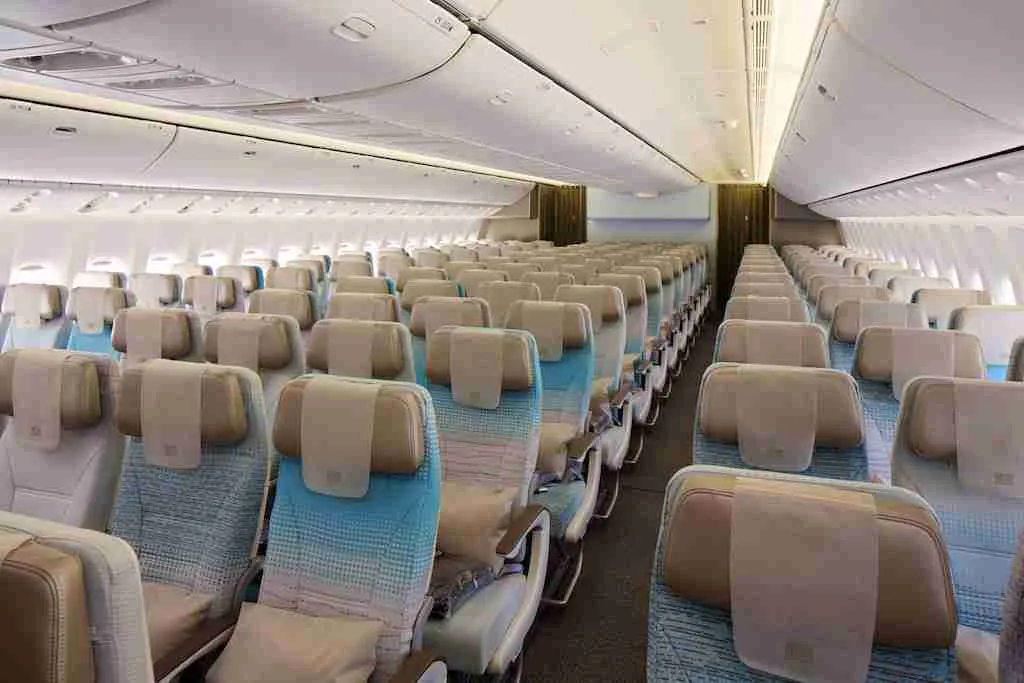
- Typical Cabin Layout: The Boeing 777 is a wide-body aircraft used for long-haul flights. It often has a 3-3-3 or 3-4-3 configuration in economy class, with multiple aisles.
Example: In a 3-4-3 configuration, you might have 3 seats on the left side, 4 seats in the middle, and 3 seats on the right side of the cabin.
Airbus A380:
- Typical Cabin Layout: The Airbus A380 is one of the largest passenger aircraft in the world. It typically has two passenger decks and a wide-body, with various seating configurations depending on the airline.
Example: An upper deck might have a 2-4-2 configuration in economy class, while the lower deck could have a 3-4-3 configuration.
Click to View Media
Boeing 777

Airbus A380

Boeing 747:
- Typical Cabin Layout: The Boeing 747 is another wide-body aircraft known for its distinctive humpbacked design. It can have a variety of cabin layouts, including 3-4-3 or 3-3-3 in economy class.
Example: In a 3-4-3 configuration, there might be 3 seats on the left, 4 seats in the middle, and 3 seats on the right of the cabin.
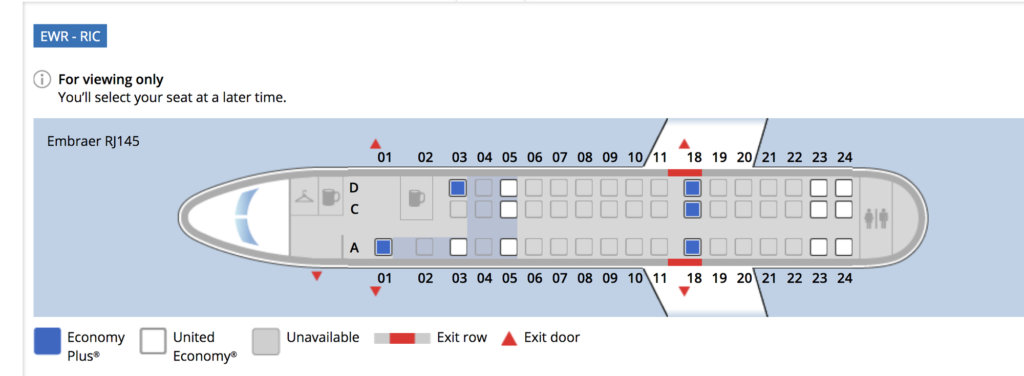
Regional Jets (e.g., Embraer E-Jets, Bombardier CRJ):
- Typical Cabin Layout: Regional jets have smaller cabins with 2-2 or 2-3 seating configurations.
Example: In a 2-2 configuration, you have two seats on the left and two seats on the right of the aisle.
Click to View Media
Boeing 747

Bombardier CRJ 550

Embraer Rj Er
Business and First Class Cabins:
- These cabins often offer more spacious seating, lie-flat beds, and enhanced amenities.
Example: Some airlines have fully enclosed suites with sliding doors in their first-class cabins.
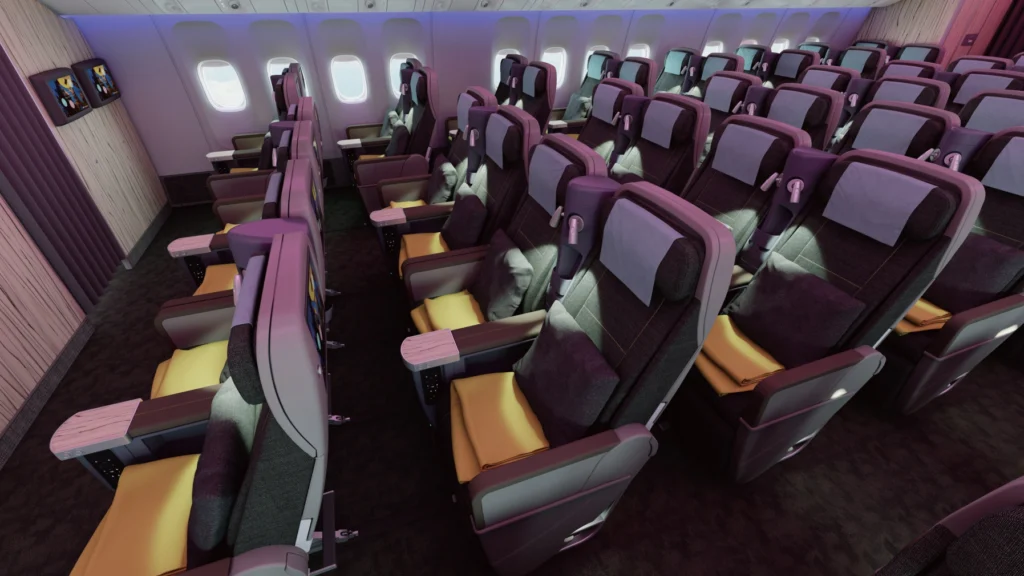
Premium Economy:
- An intermediate class between economy and business class, offering extra legroom and improved services.
Example: Premium economy might have a 2-4-2 or 2-3-2 configuration.
Click to View Media
First Class

Business Class


Premium Economy
Economy

Conclusion:
It’s important to note that cabin layouts can vary significantly between airlines and even within the same aircraft type. Flight attendants receive specific training on their airline’s aircraft and cabin layouts to ensure they can efficiently serve passengers and respond to safety concerns during flights. Additionally, airlines may update their cabin configurations, so it’s essential for flight attendants to stay updated on any changes.