
Lesson: Introduction to Aircraft Components and their functions.
Flight attendants play a crucial role in ensuring the safety and comfort of passengers during a flight. Understanding aircraft components and their functions is an essential part of their training. Here, I will explain some key aircraft components and their functions, along with examples:
Cabin Crew Stations:
- Cabin Manager Station: This is typically located near the front of the cabin, and it serves as the base for the senior flight attendant (Purser or Chief Flight Attendant). They coordinate the cabin crew’s activities, handle passenger issues, and ensure the overall smooth operation of the cabin.
Example: The cabin manager might assign specific tasks to other flight attendants, such as checking emergency equipment or assisting passengers with special needs.
Galleys:
- Galley Ovens: These are used for heating and cooking in-flight meals.
Example: Flight attendants might use the galley ovens to warm up meals like chicken with pasta for passengers.
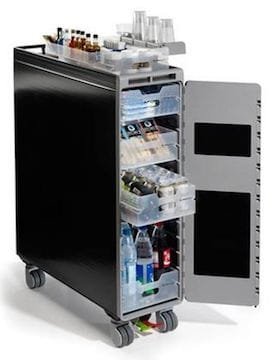
- Galley Carts: These are used to store and serve food and beverages.
Example: Flight attendants will load the galley carts with drinks and snacks before the flight and push them down the aisles during meal service.
Click To View Media
Emergency Equipment:
- Life Vests: These are provided for each passenger and must be readily accessible.
Example: Flight attendants explain how to use life vests in the event of a water landing during the pre-flight safety demonstration.
Click To View Media
- Emergency Exits: Flight attendants are responsible for ensuring that passengers know how to operate emergency exits in case of an evacuation.
Example: They conduct pre-flight safety briefings that include instructions on how to open and use the emergency exits.
Overhead Bins:
- Storage Compartments: These bins are used by passengers to stow their carry-on luggage during the flight.
Example: Flight attendants will assist passengers in properly storing their bags to ensure safe takeoff and landing.
Cabin Lighting:
- Reading Lights: Passengers use these lights for reading or working during the flight.
Example: Flight attendants may assist passengers in adjusting their reading lights to their liking.
- Emergency Lighting: These lights guide passengers to the nearest exits in case of an emergency.
Example: Flight attendants will instruct passengers to follow the illuminated emergency exit signs during evacuations.
Passenger Seats:
- Reclining Function: Flight attendants may assist passengers with seat adjustments.
Example: A flight attendant may help a passenger recline their seat for added comfort.
Lavatories:
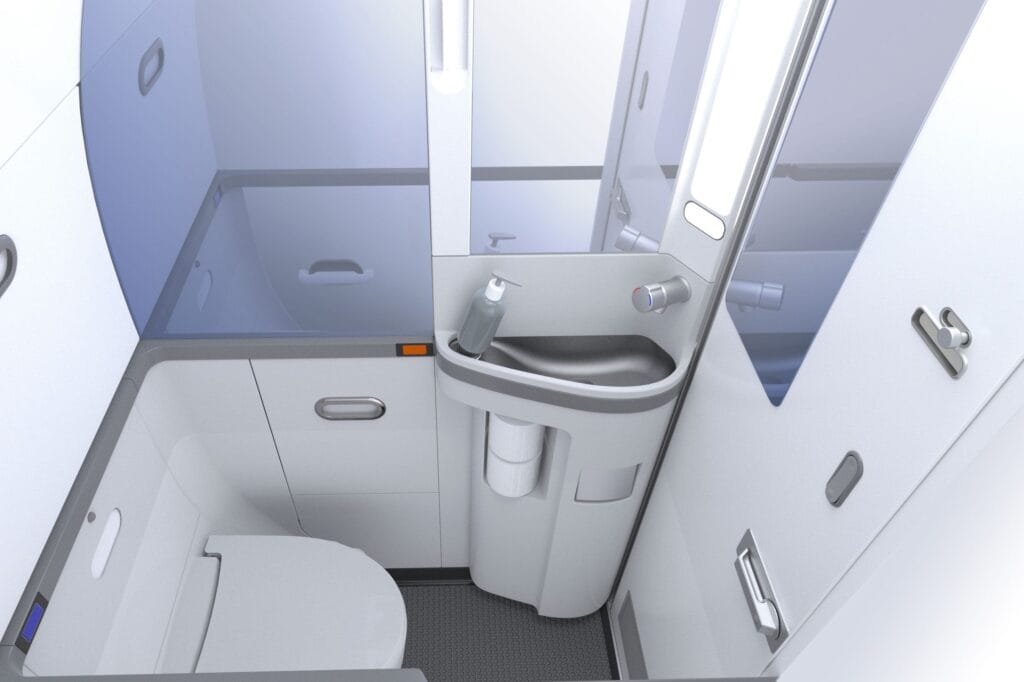
- Toilet Facilities: Flight attendants ensure lavatories are clean and stocked with essentials.
Example: They may assist passengers, including those with mobility challenges, in using the lavatories.
Click To View Media
Communication Equipment:
- Intercom System: Flight attendants use this to communicate with each other and with the flight deck.
Example: Flight attendants use the intercom to relay important information to passengers or to coordinate tasks.
Click To View Media

- Cabin Decor and Seating Layout: Flight attendants should be familiar with the cabin layout and decor.
Example: Knowing the seating layout helps flight attendants assist passengers in finding their seats quickly.
Click To View Media
Being 737 Seat Map

Airbus a320

Airbus a380

Conclusion:
Understanding these aircraft components and their functions is vital for flight attendants to effectively carry out their duties, ensuring passenger safety and comfort throughout the flight.